August 10, 2026 | Contributor: Riski Maulana | Auditor: Regiani Yunistika
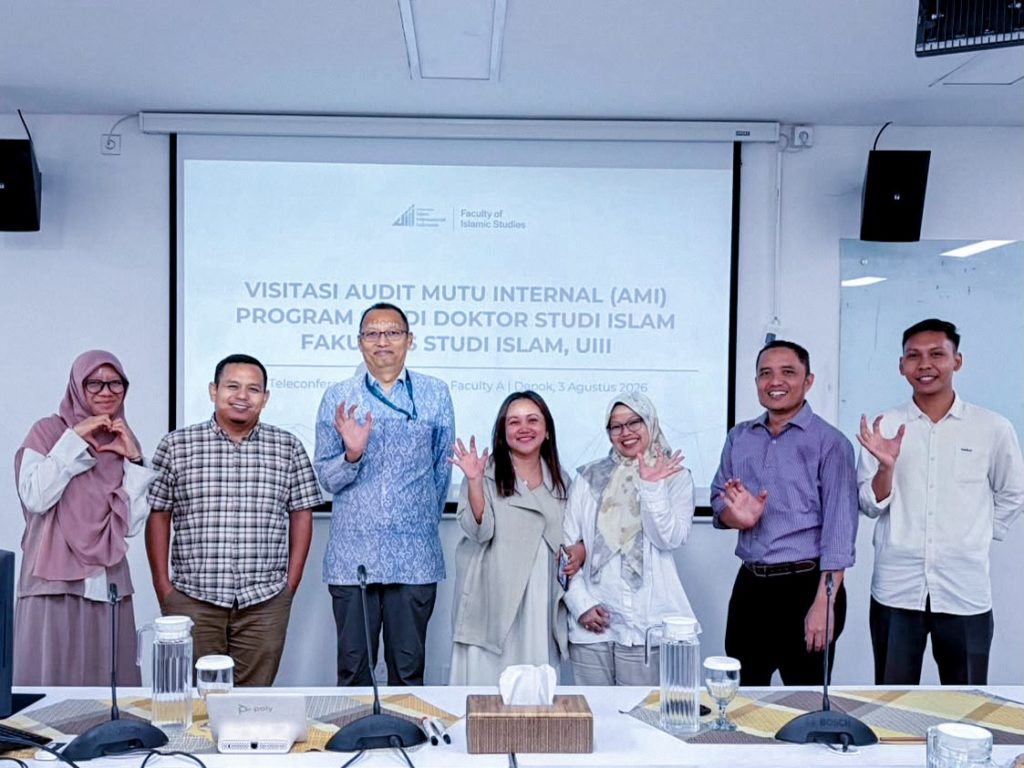
Depok, 12 August 2026 — Universitas Islam Internasional Indonesia (UIII), Center for Quality Assurance (PPM), successfully conducted the 2026 Internal Quality Audit (AMI) involving 12 Study Programs across five Faculties. The AMI was carried out from 30 July to 10 August 2026 as part of UIII’s commitment to strengthening its Internal Quality Assurance System (SPMI) and promoting a culture of continuous quality improvement across the University.
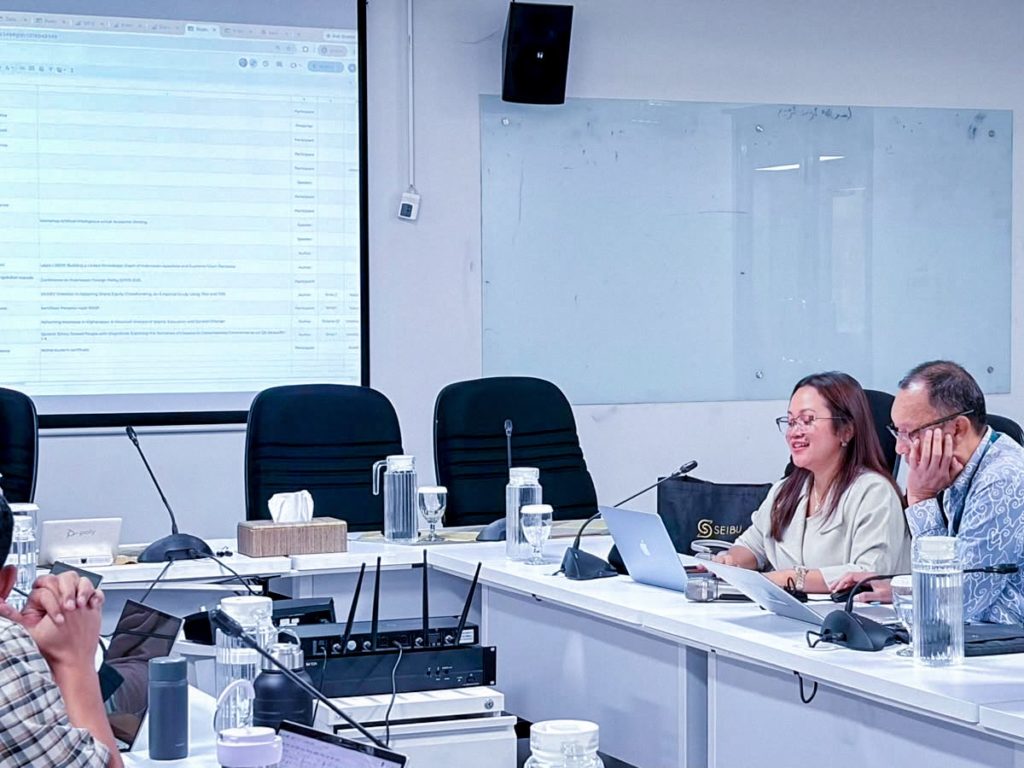
During the audit period, auditors and auditees reviewed academic and institutional documents, verified supporting evidence, clarified the implementation of quality standards, and discussed areas for improvement. The audit process was conducted constructively and collaboratively, allowing Study Programs to reflect on their current practices, identify areas requiring attention, and explore opportunities to further strengthen academic quality.
The implementation of AMI across the 12 Study Programs marked an important stage in UIII’s ongoing quality assurance cycle. It serves not solely as a mechanism for assessing compliance, the audit provided a structured opportunity for evaluation, reflection, and improvement, reinforcing AMI as an integral part of UIII’s commitment to continuous quality enhancement.

Strengthening AMI Through Digitalization
A key development in the 2026 AMI was the use of AMI application developed by Center for Information Technology (PTI) and PPM. The application provided a centralized platform for auditors and auditees to manage the audit process, including self-assessment (completed by auditees), desk evaluation (reviewed by auditors), and site visit (clarification between auditees and auditors regarding the targeted standards). The implementation of the application helped organised the audit process to be more concise, effective and efficient for every party included audit process more organized, accessible, and efficient for both auditors and auditees.
The digital system also supported PPM in monitoring the progress of the AMI process and managing audit information more systematically. This collaboration between PPM and the PTI team reflects UIII’s effort to integrate technology into its quality assurance system.
From Audit to Improvement
The 2026 AMI was not designed merely to assess compliance. It provided an opportunity for Study Programs to evaluate the implementation of quality standards, identify gaps, and develop appropriate follow-up actions.
AMI serves as a crucial part of the PPEPP cycle: Determination, Implementation, Evaluation, Control, and Improvement. Audit findings and evidence provide a basis for reflection, corrective actions, improvement; the three fundamental acts to achieving continuous enhancements
The involvement of 12 Study Programs across 5 Faculties also strengthened a shared understanding that quality assurance is a collective responsibility. PPM, auditors, auditees, Faculties, Study Programs, and supporting units each play an important role in ensuring that quality improvement becomes part of everyday institutional practice.
Building a Sustainable Quality Culture
The successful implementation of AMI 2026 marks another step in UIII’s continuing efforts to strengthen its quality culture. For PPM, the audit is not the end of the quality assurance process, but part of a continuing cycle of evaluation and improvement. By combining systematic auditing, evidence-based assessment, digital support, and collaboration across the University, UIII continues to develop a quality culture that responds to the needs of its academic community.
Ultimately, the 2026 AMI reinforces a simple principle: quality assurance is not only about demonstrating compliance, but rather about utilizing audit findings and their corrective actions as a strong baseline of data for institutional progressive performance in years ahead.