July 28, 2026 | Contributor: Riski Maulana | Auditor: R. Alpha Amirrachman
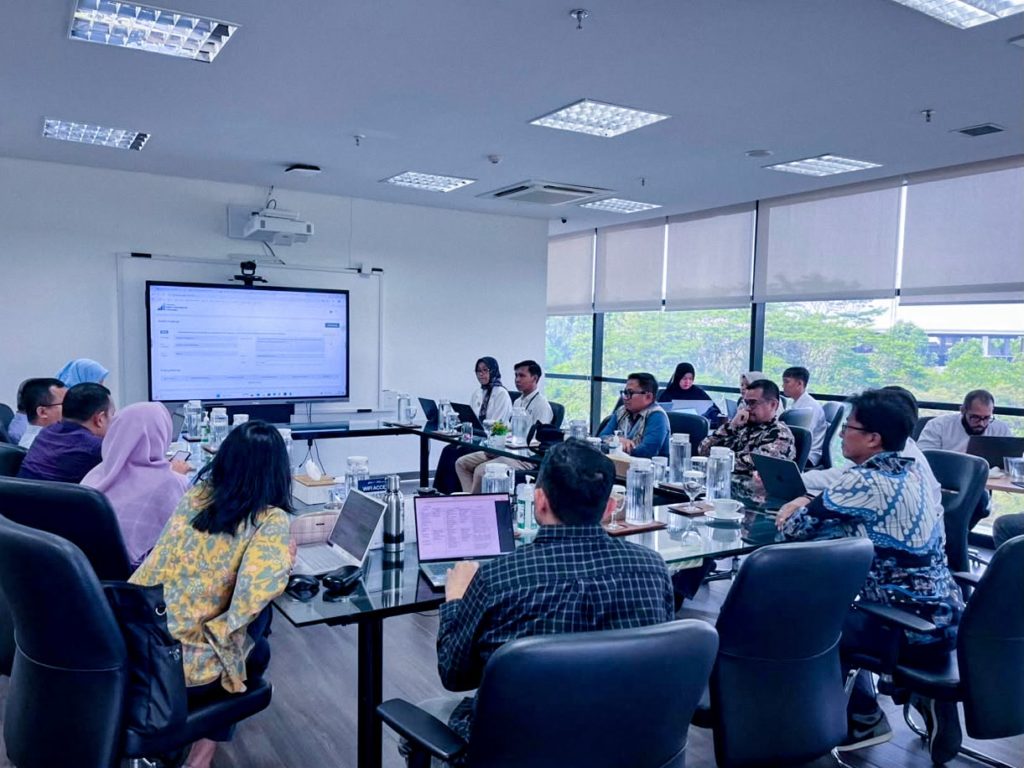
The Universitas Islam Internasional Indonesia (UIII), through its Center for Quality Assurance (PPM), officially launched the 2026 Internal Quality Audit (AMI) on Tuesday, 28 July 2026. Held in the Leadership Meeting Room of the Rectorate Building, the activity brought together university leaders, deans, heads of study programs, internal auditors, and administrative staff to strengthen a shared commitment to quality improvement across the University.
More than just a routine evaluation, the AMI is part of UIII’s commitment to fostering a culture of continuous quality improvement through its Internal Quality Assurance System (SPMI). The audit is implemented through the PPEPP cycle: Determination, Implementation, Evaluation, Control, and Improvement, with an emphasis on objectivity, transparency, accountability, and evidence-based auditing.
Head of the Center for Quality Assurance, R. Alpha Amirrachman, M.Phil., Ph.D., highlighted the strategic role of AMI in supporting the continuous improvement of academic and institutional quality. “AMI is not merely an evaluation process, but part of a continuous effort to improve the quality of academic and institutional management,” he explained.
The opening session also provided an opportunity for auditors and auditees to develop a shared understanding of the audit standards, indicators, assessment mechanisms, and supporting evidence. This alignment is expected to ensure a more consistent and constructive audit process across UIII’s academic programs.
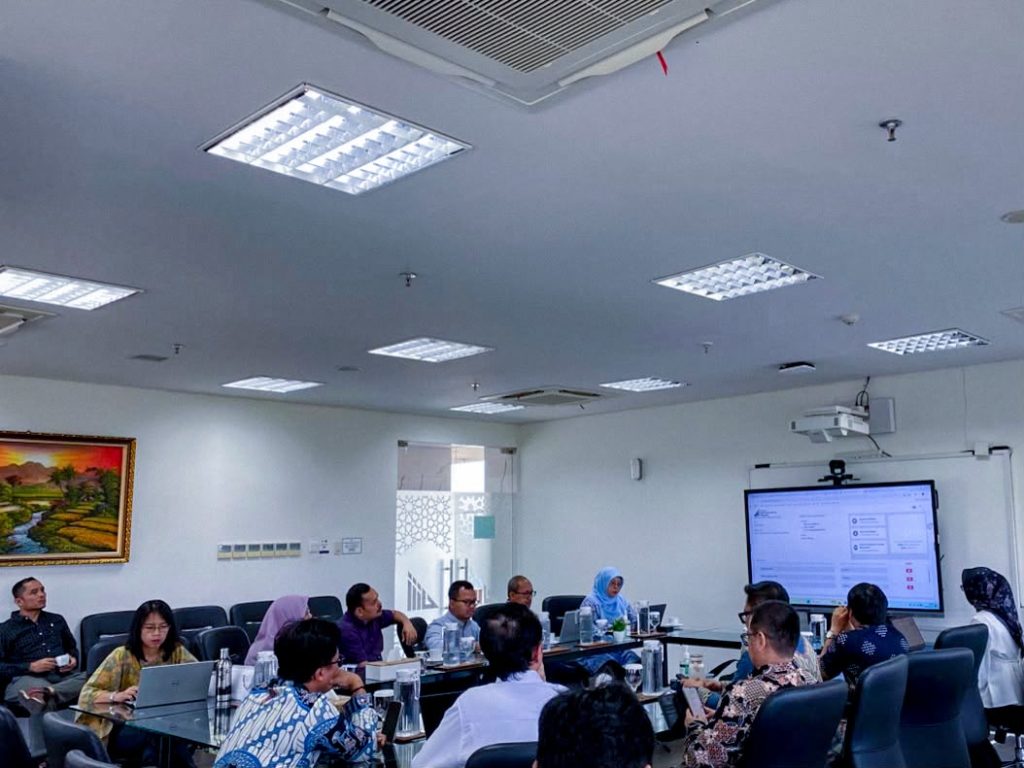
Strengthening the AMI Process Through Digitalization
Following the opening, PPM conducted a Technical Meeting on the AMI Application to prepare auditors and auditees for the upcoming site visit. The session focused on ensuring that participants were familiar with the application and the technical requirements of the audit process.
The discussion also generated several inputs for improving the AMI system. Among the key points was the development of a shared document bank, which would allow Study Programs to access quality-related references and learn from best practices across the University.
Participants also proposed improvements to the AMI application interface, particularly in the presentation of submitted information, to make the system easier to navigate and review for both auditors and auditees.
In addition, the Self-Assessment period was extended to approximately two weeks, providing Study Programs with greater opportunity to prepare and complete their supporting evidence.
The meeting further highlighted the importance of ensuring that AMI indicators remain relevant to the diverse characteristics of UIII’s Study Programs. Feedback from the discussion will serve as input for PPM in refining the AMI instruments and application in future audit cycles.
Advancing Quality Through Evidence and Collaboration
The launch of the 2026 AMI marks another step in UIII’s efforts to strengthen an institutional culture in which quality assurance is understood not simply as a compliance exercise, but as a mechanism for reflection, learning, and improvement.
Through closer collaboration between PPM, auditors, auditees, and relevant university units, UIII seeks to ensure that the AMI process produces meaningful evidence and actionable insights for institutional development.
As the University moves toward the next stage of the 2026 AMI cycle, the initiative reinforces UIII’s commitment to building a quality assurance system that is evidence-based, transparent, digitally supported, and oriented toward continuous improvement.